
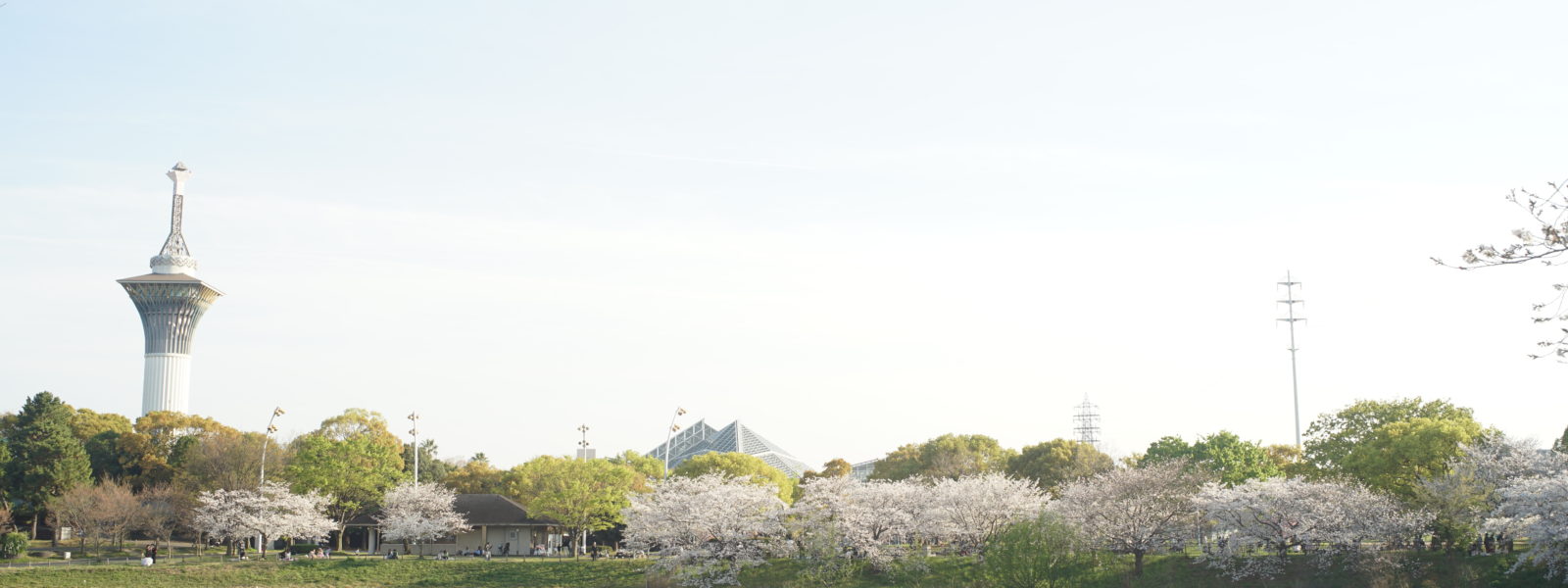
Japan in spring is genuinely one of the world’s great travel experiences. The cherry blossom obsession is well-documented and entirely justified. But beyond the sakura spectacle, spring transforms how Osaka feels, sounds, and tastes — and understanding that transformation will help you plan a trip that is far more than a blossom photograph.
The Weather: Finally Right
Osaka in winter is cold and grey in a way that surprises people expecting perpetual Japanese scenery perfection. Summer is brutally humid. Autumn is lovely but brief. Spring — specifically March through May — hits the ideal combination: mild temperatures (15–22°C), longer daylight hours, clear skies, and the absence of the typhoons and oppressive humidity that define summer.
For outdoor activities, photography, walking tours, and anything that requires being outside for extended periods, spring is simply the most comfortable season. Our tour groups consistently report higher energy and engagement during spring months compared to any other time of year.
Sakura Season: What Actually Happens
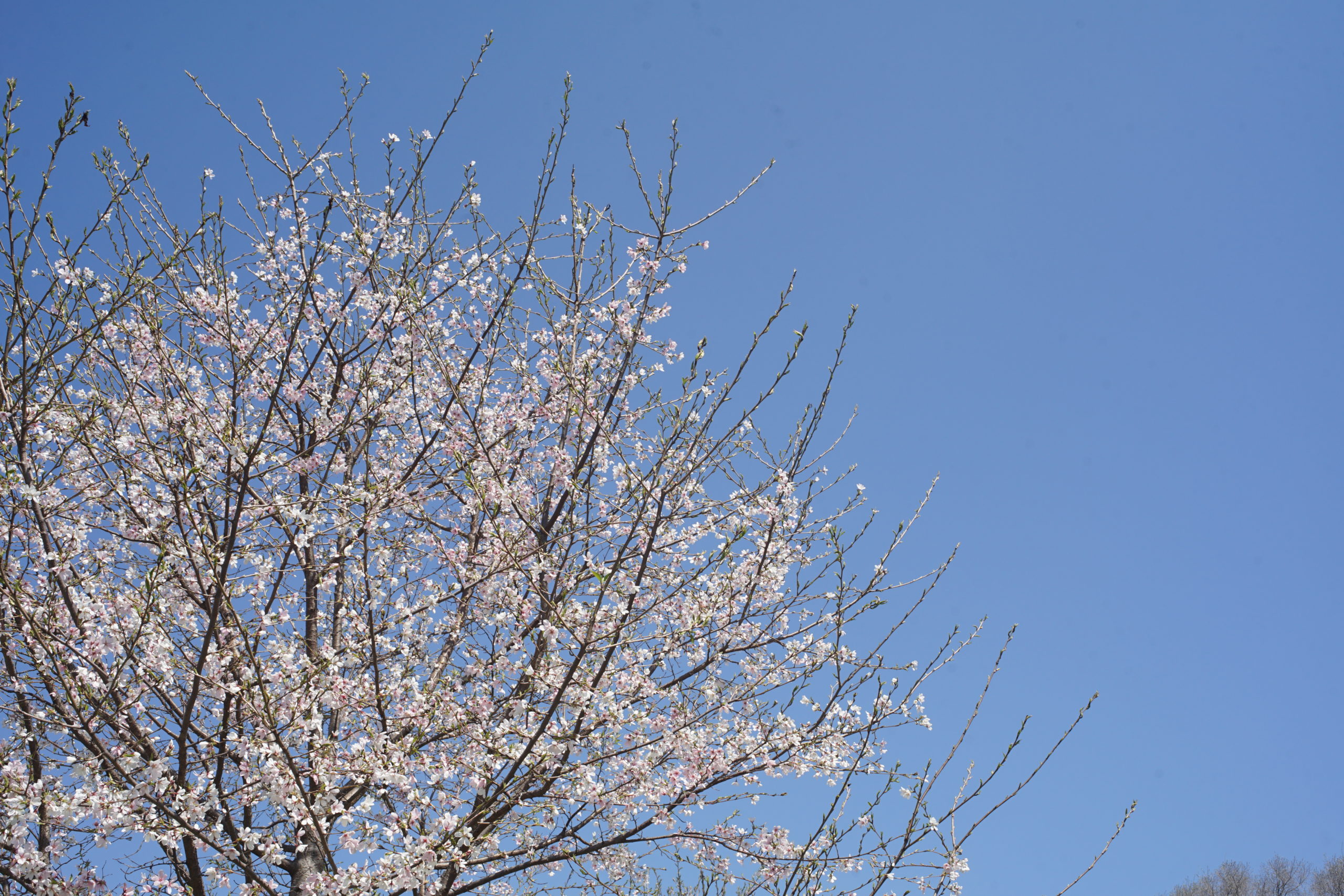
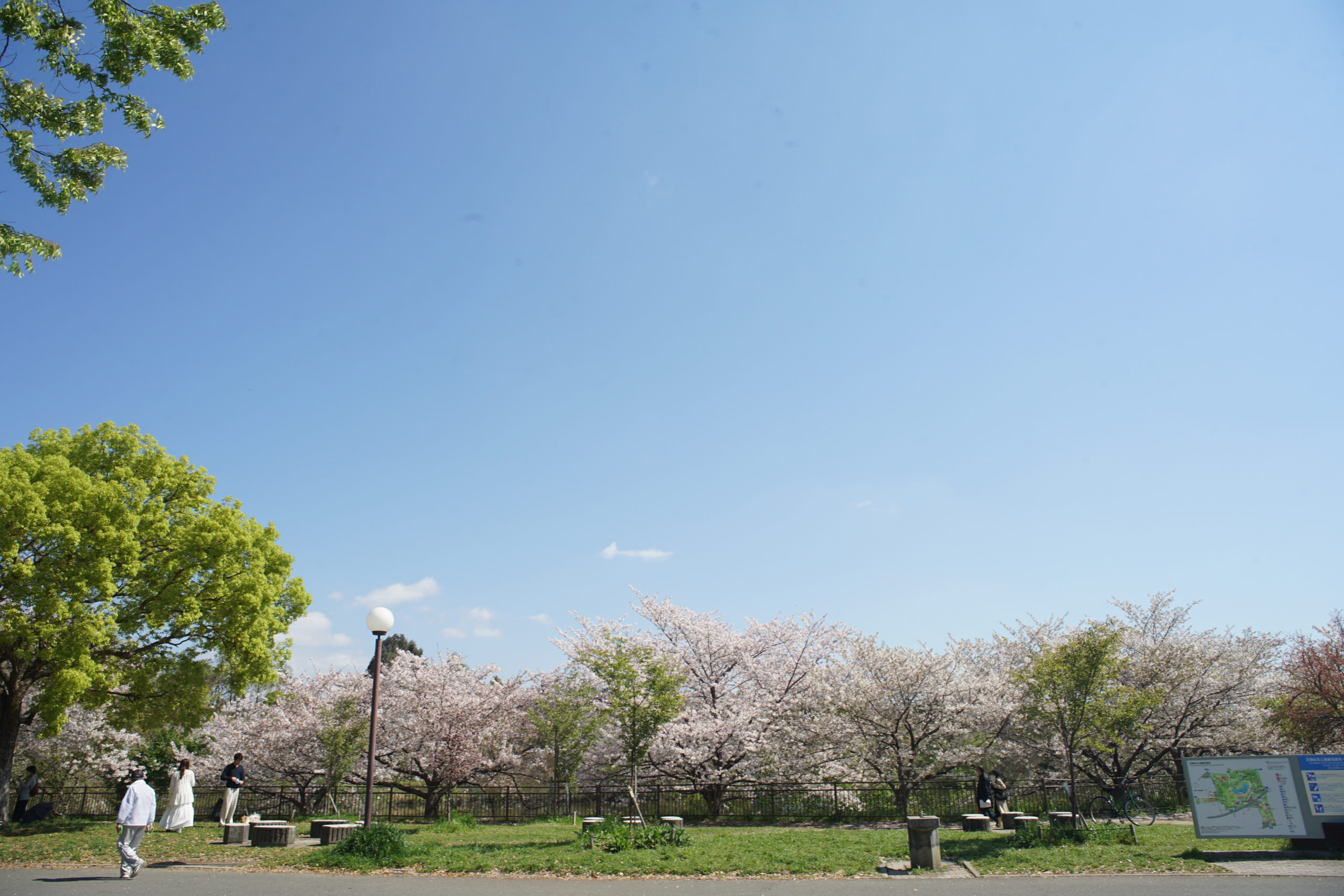
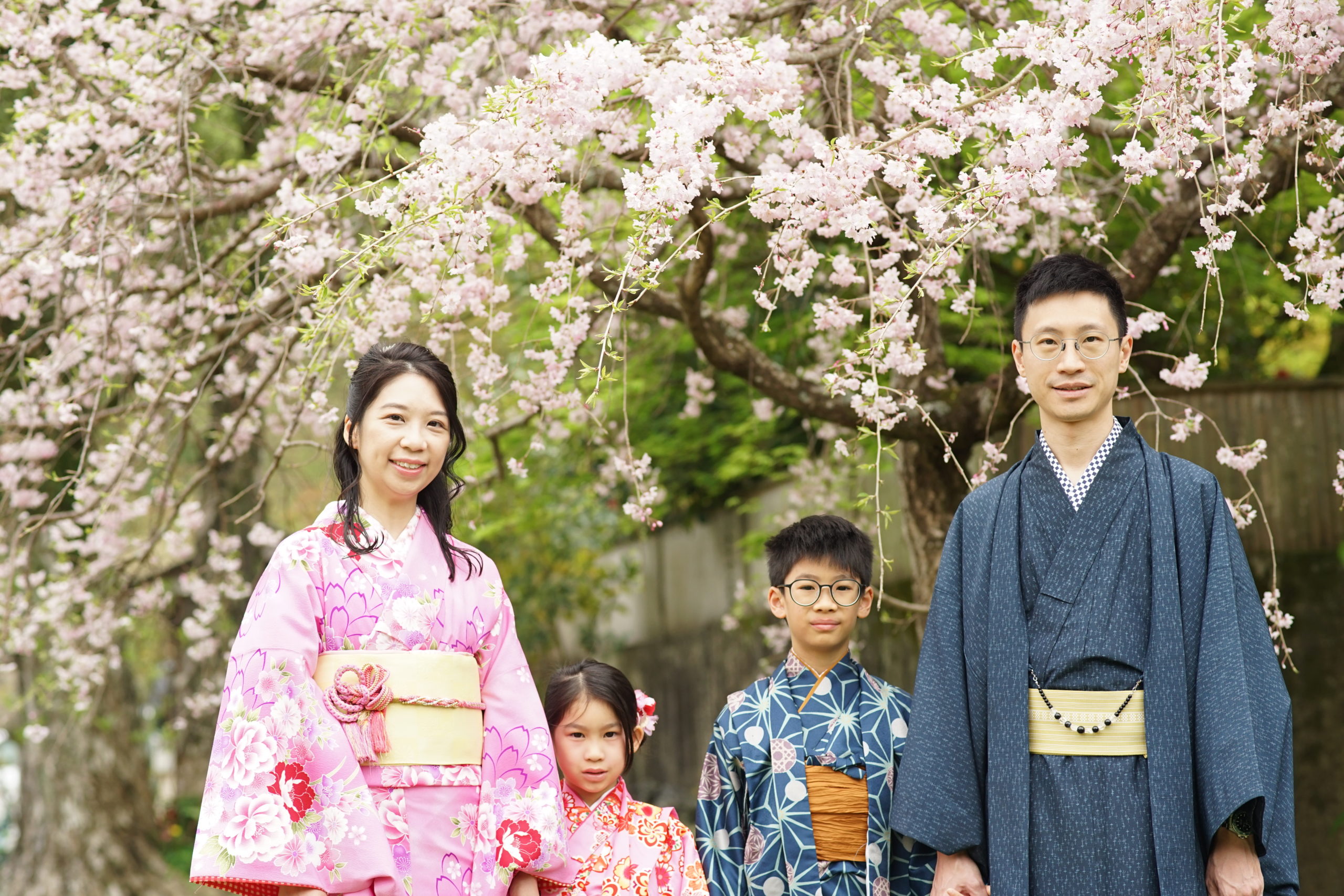
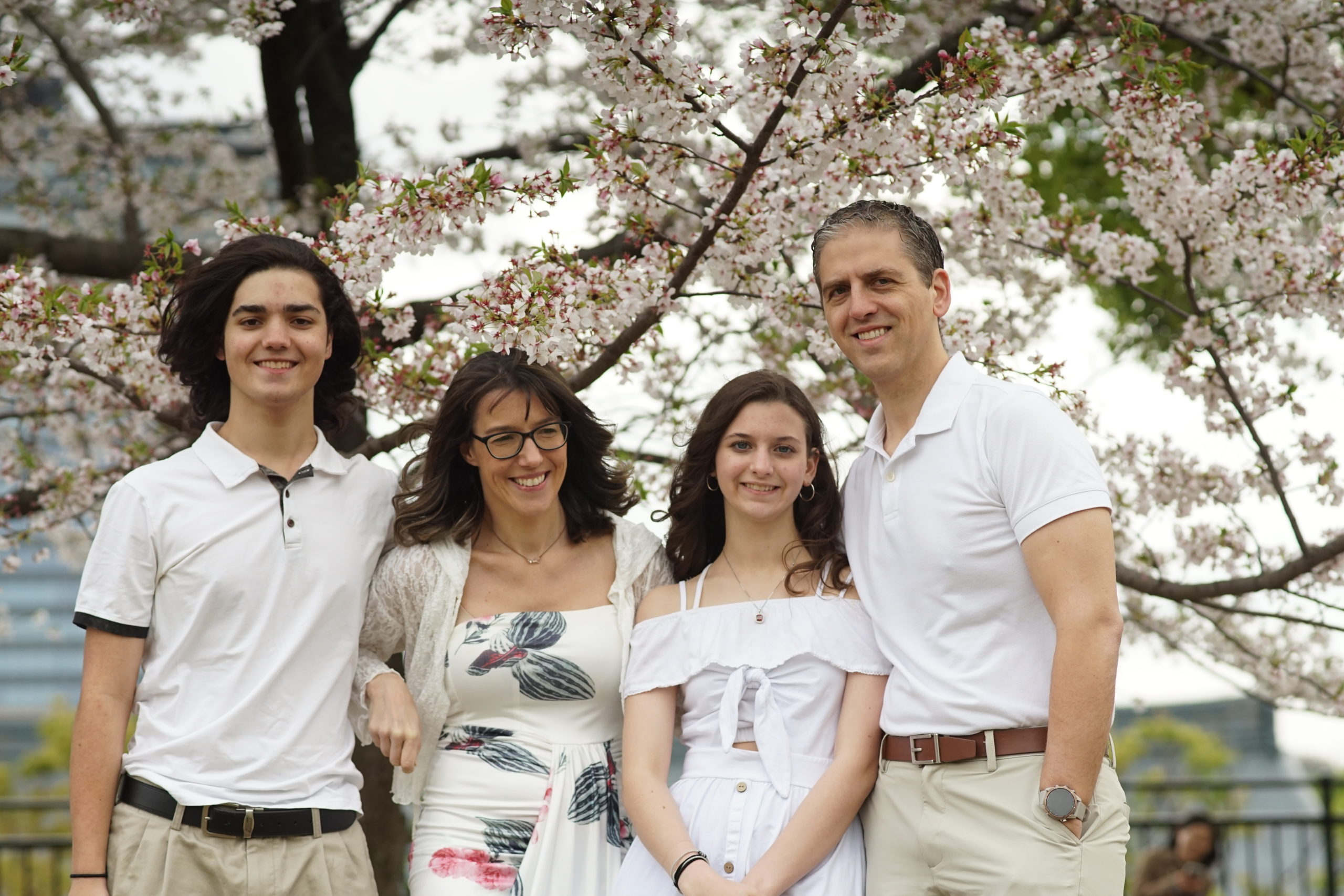
Cherry blossom season in Osaka typically peaks in late March to early April, though this varies year to year with temperatures. Osaka Castle Park is the most famous viewing spot — thousands of trees line the moat and gardens, creating genuinely spectacular scenes when the blossoms are at their peak.
But the real Osaka sakura experience is more diffuse. Trees line rivers, temple grounds, neighbourhood parks, and private gardens throughout the city. Walk along the Okawa River from Temmabashi to Sakuranomiya in the early morning and you’ll understand why this season generates the kind of emotion it does.
Practical note: peak blossom lasts approximately one week. The blossoms are fragile and weather-sensitive. Plan flexibility into your itinerary — if you can be in Osaka for 3–4 days during the blossom window, your chances of catching peak bloom are excellent.
Spring Events and Festivals
Spring is Osaka’s festival season. The calendar runs thick with traditional matsuri, contemporary art events, food festivals, and the kind of spontaneous outdoor celebrations that warm weather brings out in Osaka’s naturally exuberant population.
Tenjin Matsuri — technically a summer festival — has spring warm-up events. The Osaka International Festival of Arts programmes in spring. Neighbourhood hanami (blossom viewing) parties fill every park and riverbank with blue tarps, bento boxes, and beer. The city is at its most sociable and accessible.
Spring and the Creative Scene
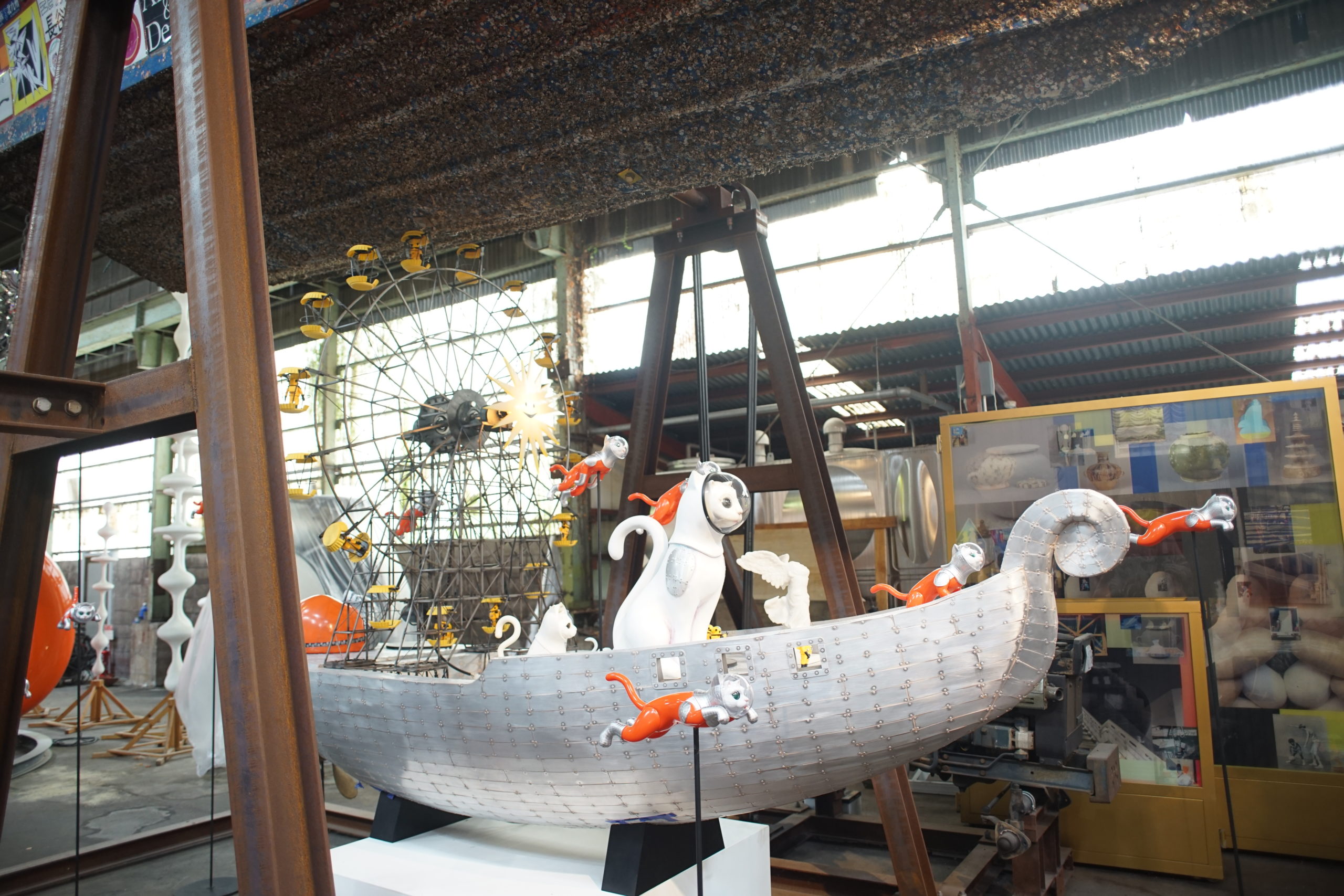
From our experience running art, music, and photography tours, spring is when Osaka’s creative community is most visible and active. Open studio events, outdoor music performances, gallery launch season, and the general increase in foot traffic all combine to make the creative city come alive.
Viator performance data from our tours confirms this: engagement with art and cultural experiences in Osaka peaks in spring, with impressions and page views climbing significantly from March onwards. This isn’t just marketing — it reflects a genuine seasonal rhythm in how the city presents itself.

Spring Photography: What to Prioritise
For photographers, spring offers several distinct opportunities that don’t exist at other times of year. Blossom-filled street scenes with minimal modification (the whole city becomes a set). Outdoor festivals with available light and expressive subjects. Evening hanami parties where lanterns and blossom combine in compositions that feel almost staged.
Our photography tours during spring specifically route through locations that capitalise on the seasonal light and subject matter — routes that change substantially from the autumn and winter itineraries.
Plan Your Spring Osaka Experience
Whether you’re a photographer chasing the blossom light, an art enthusiast capitalising on spring gallery season, or a music lover taking advantage of outdoor performance weather, spring in Osaka rewards intentional planning.
Our seasonal tours — Photography, Art, and Music — all adapt their routes and content for spring. Small groups, local guides, and carefully chosen timing to make the most of the season.